K-pop 以多元包容打破禁忌,如今 K-beauty 也正緊隨其後
K-pop broke taboos by being inclusive. Now, K-beauty is starting to do the same
【編者按】:CNN 原創系列節目《K-Everything》由韓裔影星金大賢(Daniel Dae Kim)主持,旨在探討南韓文化對全球的深遠影響。本系列於東部時間 5 月 9 日上午 8 點在 CNN 國際台首播,您也可透過 CNN 應用程式進行線上收看。
EDITOR’S NOTE: K-Everything is a CNN Original Series hosted by Daniel Dae Kim that explores the global impact of South Korean culture. The series premieres on CNN International on May 9 at 8 a.m. ET. You can also stream the series on the CNN app.
現如今,無論是前往 Blackpink 還是 BTS 的演唱會,你都會發現台下聚集著來自世界各地背景各異的多元粉絲族群,他們隨著歌曲大聲合唱,即便歌詞主要是以韓語書寫。這是南韓藉由被稱為「韓流」(Hallyu)的文化輸出來推動經濟轉型、重塑多樣化佈局的顯著標誌。然而,儘管今日全球對南韓文化展現了極大的熱忱,仍有一大塊拼圖是讓這群新熱切粉絲難以完全盡興享受的領域——那就是韓國美妝(K-beauty)。
These days, attend any K-pop concert – whether it’s Blackpink or BTS – and you’ll find a crowd of diverse fans coming from all over the world and singing along, even though the songs are primarily in Korean. It’s a telling symbol of South Korea’s push to diversify and reboot its economy through the global spread of Korean culture – also known as “Hallyu” or the Korean Wave. Yet, despite today’s outsized international interest in K-culture, one facet that some new, eager fans haven’t been able to fully enjoy is K-beauty.
儘管 K-beauty 是國家頂尖的文化輸出產業之一,但過去在滿足多元的人口族群需求上卻顯得有些吃力。長期以來,韓國美妝品牌的遮瑕膏、粉底液及其他彩妝產品在色號選擇上歷史性地受到侷限,絕大多數集中於「極白至自然偏白」的膚色範疇。廣告也幾乎清一色地由纖細、年輕、膚色極其白皙的模特兒擔綱代言。在當今全球美妝巨頭已將「多元包容行銷」與「產品共融化設計」視為建立忠誠度與創造營收的核心基礎時,這種狹隘的策略顯然已趨於陳舊落伍。
Despite being one of the nation’s top cultural exports, K-beauty has struggled at times to cater to a broad demographic. When it comes to concealers, foundations and other makeup products by Korean beauty brands, the shade range has historically been limited, focusing on light-to-medium skin tones. They’re also almost exclusively promoted by thin, young, extremely fair-skinned models. It’s a narrow approach that is arguably outdated amid the progress made by global beauty companies, where inclusive marketing and product design have become essential to customer loyalty and revenue.
這同時也與 K-pop 偶像在打破刻板印象方面所取得的進展背道而馳。從南韓男團 Stray Kids 的繽紛捲翹髮型,到 Big Bang 成員 G-Dragon 或 ATEEZ 成員星和(Seonghwa)所引領的中性衣櫥風格,K-pop 男性偶像長期以來不斷孕育出多元的陽剛氣質演繹形式。他們毫不避諱穿著傳統上被視為女性專屬的服飾——如裙裝、束腹或高跟鞋——並公開坦蕩地使用彩妝與保養品(確實,BTS 成員 V 和柾國去年便分別被委任為韓國彩妝品牌 Tirtir 與香奈兒美妝的全球品牌大使)。他們也時常展現柔軟脆弱與感性的一面,向傳統西方將男子氣概等同於堅毅冷酷的觀念發起了挑戰。
It also feels at odds with the advancements made by K-pop idols in challenging stereotypes. From the colorful, floppy hairstyles of Korean boy band Stray Kids, or the non-binary wardrobes of trailblazing singers like G-Dragon of Big Bang and Seonghwa of ATEEZ, K-pop’s male idols have long fostered diverse expressions of masculinity. They have no qualms about wearing clothes largely viewed as feminine – like skirts, corsets or heels – and openly use makeup and skincare. (Indeed, BTS members V and Jungkook were last year appointed ambassadors for Korean makeup brand Titir, and Chanel Beauty, respectively.) They also often express vulnerability and emotion, challenging traditional Western associations of manhood with stoic toughness.
然而,南韓整個社會在宏觀的多樣性與包容力普及化上依然落後。根據南韓文化體育觀光部 2025 年發布的一份報告,在其全國 4,974 名成年受訪者中,有超過 38% 的人不知道什麼叫「文化多樣性」;與此同時,高達 54% 的人曾在媒體傳播下,對特定文化或族群產生過刻板印象或偏見。
Yet diversity and inclusivity in the country more generally have lagged. A 2025 report by South Korea’s Ministry of Culture, Sports and Tourism found that just over 38% of respondents (4,974 adults nationwide) did not know what cultural diversity meant. Meanwhile, 54% had developed stereotypes or prejudices against certain cultures or groups through media.
談及南韓的審美標準,有多重因素需要權衡,像是因歷史上相對緊縮的移民政策所形塑的民族單一性,以及長久累積的文化審美偏好。K-beauty 是否應該具備更高的包容性,是近年來引發激烈辯論的話題。儘管有些人堅決認為所有品牌皆應採納包容性做法,但亦有人反駁這有時淪為形式主義操作,且並未能真正有效地服務民眾的實際需求。
When it comes to beauty standards in South Korea, there are multiple factors to consider, such as the country’s ethnic homogeneity, due in part to its historically strict attitude towards immigration, and cultural preferences. Whether K-beauty should be more inclusive is a topic that has sparked much debate in recent years. While some assert that all brands should adopt inclusive practices, others argue that it can be performative and does not truly serve people’s needs.
正如同 Reddit 上一位網友所撰:「我有一位在精品美妝公司擔任數據分析師的朋友透露,在他們推出的 30 多款粉底液/遮瑕膏色號中,單單那六個暢銷色號就佔據了總銷售額的 95%。因此,對品牌方而言,去投資研發龐大的完整色系需要耗費鉅額資金……而那些冷門色號創造的營收完全不敷研發與生產的成本。」他們更補充道:「即便他們已經將冷門色號的產量降到最低,那些現貨通常還是完全賣不掉。」
As one user on Reddit wrote, “I have a friend who works as a data analyst at a luxury makeup company, and of their 30+ shades of foundations/concealers, only six shades make up 95% of foundation/concealer sales. So, for their brand, investing in this wide shade range costs way more money… and the sales from these shades is frankly not worth the cost to develop and produce.” They added: “Even when they produce fewer units of the unpopular shades, those still never sell out.”
洛杉磯南加州大學(USC)安嫩伯格傳播學院的李惠珍(Hye Jin Lee)臨床副教授接受 CNN 採訪時表示:「我們必須考量韓國美妝產品當初研發與推向市場的時空背景。它們最初主要是針對韓國本土市場而量身定做。K-beauty(及廣義的韓流)是在近幾年才晉升為一種全球趨勢,而隨著它們日益頻繁地外銷並推廣給全球消費者,這才反過來引發了關於包容性的全新討論。」
Speaking to CNN, Hye Jin Lee, clinical associate professor of communication at the USC Annenberg School for Communication and Journalism in Los Angeles, said: “It’s important to consider the context in which Korean beauty products were initially developed and marketed. They were primarily created for the domestic Korean market. K-beauty (and Korean culture more broadly) has only become a global trend in more recent years, which has, in turn, raised new questions about inclusivity… as it is increasingly exported and marketed to consumers worldwide.”
當前南韓正逐步向異質化的社會轉變,跨國婚姻的普及以及更全球化的勞動力結構,促成了外籍移入人口的不斷攀升(該比例於 2025 年已突破 5%,即將觸及界定「多文化社會」的標準門檻)。從南韓走向世界的頂流樂團更是凝聚了廣大的國際鐵粉,成為觀光業的主要引擎(例如 BTS 即將展開的「Arirang」世界巡演,預計將為地方經濟注入數千萬美元的產值)。
South Korea is gradually becoming a more heterogeneous society, with international marriages and a more global workforce leading to an increasing foreign-born population (which in 2025 exceeded 5%, nearing the country’s threshold for a “multicultural society”). The popularity of pop groups born out of South Korea has also created vast, international fanbases that have become a major driver of tourism (BTS’ upcoming “Arirang” world tour, for example, is expected to generate tens of millions of dollars for local economies.)
根據調研機構 Mintel 的估計,產值超過 900 億美元的 K-beauty 產業與韓流文化的崛起存在著密不可分的連結。李副教授說:「K-pop 與韓劇的高能見度及其視覺文化,進一步增強了大眾對於韓國美妝功效的信心,並成功延續了一套關於亞洲人護膚與對抗老化的熱門論述,如同網路流行俚語『Asian don't raisin』(亞洲人是不老族,意指亞洲血統的人老得慢並能維持肌膚凍齡)。」
Links can be seen between the popularity of K-beauty – a sector estimated by research firm Mintel to be worth more than $90 billion – and the rise of Korean culture internationally. “The visibility and visual culture of K-pop and K-dramas reinforce perceptions of K-beauty’s effectiveness and help sustain popular narratives around Asian skincare and aging, as demonstrated by the internet slang, ‘Asian don’t raisin,’” said USC Annenberg’s Lee – a phrase implying that people of Asian descent age slowly and maintain youthful skin.
去年白宮新聞秘書卡羅琳·萊維特(Karoline Leavitt)因亞太經濟合作會議(APEC)峰會造訪首爾時,特地撥冗前往當地零售巨頭 Olive Young 選購 K-beauty 保養品,並在社群上分享此次購物經歷。「這在韓國當地引發了巨大迴響與媒體高度關注,普遍被討論視為 K-beauty 已超越傳統韓流迷範疇、打入全球大眾市場的有力標誌,」李教授補充道。
When White House Press Secretary Karoline Leavitt visited Korea last year for the APEC Summit, she made sure to purchase K-beauty products at local retail giant Olive Young – and share her experience on social media. “This generated significant media and public attention in Korea, and it was widely discussed as a sign of K-beauty’s growing global visibility beyond traditional K-culture audiences,” said Lee.
韓國美妝產品在海外遍地開花,也為其開拓出更多樣的受眾。2024 年,南韓首度超越法國,躍升成為向美國出口化妝品的最大出口國,出口額更飆破 17 億美元。如今,韓國美妝品牌在全美的 Costco、Target 和 Sephora 都有大規模販售——後者更在 2026 年 1 月與 Olive Young 簽署了受矚目的戰略合作協定,直接催生這家韓國連鎖藥妝巨頭於今年度首度赴美開設直營實體店。
The increasing ubiquity of K-beauty products outside Korea is also enabling a broader following. In 2024, South Korea overtook France as the top exporter of beauty products to the US, with shipments hitting $1.7 billion. Today, Korean beauty brands are sold widely in stores across America, including Costco, Target and Sephora – the latter in January 2026 signed a notable partnership with Olive Young, prompting the K-beauty retailer to open its own stores in the US for the first time this year.
隨著 K-beauty 的全球號召力日與俱增,它急切需要著手回應除了南韓本土或是東亞族群以外,更為廣譜的世界各色膚質需求。
As K-beauty becomes increasingly sought after worldwide, it will need to address a broader range of customers beyond Korean, or even East Asian, skin tones.
對梅麗莎·艾爾法(Melissa Alfer)而言,正是她的孩子們對 K-pop 的狂熱支持,最終激勵了她決定辭去明星經紀人的本行,轉與前免稅零售顧問雨果·德蒙德拉貢聯手,在首爾創立了主打深色與黑色素豐富肌膚的保養品牌——「K+Brown」。「在每一場 K-pop 演唱會或周邊活動中,我都能在台下看見如此強烈多元的人種分布。深色肌膚女孩、穆斯林頭巾少女、拉丁裔以及非裔美人,」艾爾法回憶:「有色人種對於 K-pop 和韓流文化傾注了極大熱情,但一到了 K-beauty 這邊,他們的權益與需求卻總是被完全忽略了。」
For Melissa Alfer, it was her children’s love for K-pop that ultimately inspired her to leave her job as a talent agent and team up with Hugo de Mondragon, a former duty-free consultant, to establish K+Brown, a Seoul-based skincare brand for melanin-rich skin. “At every K-pop concert or event, I see so much diversity in the crowd. Girls with darker skin tones, with hijabs, Latinas, Afro-Americans,” Alfer said. “There is a lot of enthusiasm from people of color for K-pop and K-culture, but they’re not always represented when it comes to K-beauty.”
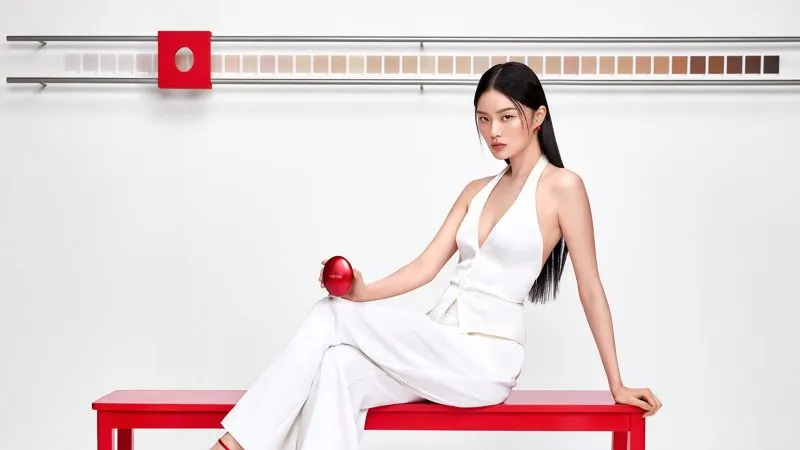
而本土起家的韓國美妝品牌現在也正開始適應這波潮流。美妝品牌 Tirtir 自 2016 年起深耕市場,直到 2023 年,旗艦款「Mask Fit 紅盒氣墊粉餅」因僅有瓷白、象牙白和沙色三種極淺色號可選而招致歐美美妝網紅們的撻伐。品牌迅速反應,至 2024 年追加至 9 色。時至今日,Tirtir 的氣墊粉餅常態色號一口氣擴增到了 40 種,配合客製化服務甚至能高達 150 種選擇,一舉躍升為目前市面上最具備種族包容性的 K-beauty 先鋒指標之一。
Homegrown brands are beginning to adapt, too. K-beauty brand Tirtir has been operating since 2016, but in 2023 it gained global attention for its Mask Fit Red Cushion Foundation – then only available in three shades: “porcelain,” “ivory” and “sand.” In the local Korean market, a three-shade offering was not unusual, but as Tirtir was expanding across the US and Europe, it drew ire from influencers in the West struggling to find a shade match. By 2024, the brand announced it would add six more shades for a total of nine. Today, Tirtir’s cushion foundation comes in 40 shades, though custom offerings mean it can go up to 150, making it one of the most inclusive in the K-beauty sector.
Tirtir 的全球業務主管 Monica Park 在回覆 CNN 採訪時表示,拓展粉底色域「是我們更認真地傾聽顧客聲音後最直球的回應」。她承認最初規劃的色域配置「並未能完全涵蓋並照顧到與我們品牌互動的高多元社群」。而在擴增色號後的回報極為驚人,「這促使了更廣泛的市場採納度、建立起了更穩固的品牌信任,同時顯著拉高了重複回購率。」Park 總結道:「在我們持續於國際規模擴張時,多元包容力已成了驅動我們佈局的核心基石。」
The expansion of foundation shades was “a direct response to listening more closely to our customers,” Monica Park, head of Tirtir’s global business division, told CNN over email, acknowledging that the initial shade range “did not fully reflect the diverse community engaging with our brand.” The upshot has been “broader adoption, stronger consumer trust and increased repeat purchase behavior,” Park said. “As we continue to expand internationally, inclusivity has become an even more important guiding principle in how we scale.”
展望未來,Mintel 的美容與個人護理洞察總監安德魯·麥克杜格爾指出,K-beauty 已成為不可忽視的「全球主流動力源」,然而「在韓國本土以外,國際對多樣性和群體再現性有著遠比目前更龐大的呼籲。K-beauty 若想打破天花板並延續驚人增長,適應與變革將是它唯一的路。」
As Mintel’s director of insights for beauty and personal care Andrew McDougall notes, K-beauty has “become this mainstream global force.” However, “outside of Korea, you have a much bigger demand for diversity and representation. If the K-beauty market can adapt, that will see it grow even more,” he said.