精緻餐飲的陰暗面正變得難以忽視
The dark side of fine dining is getting harder to ignore
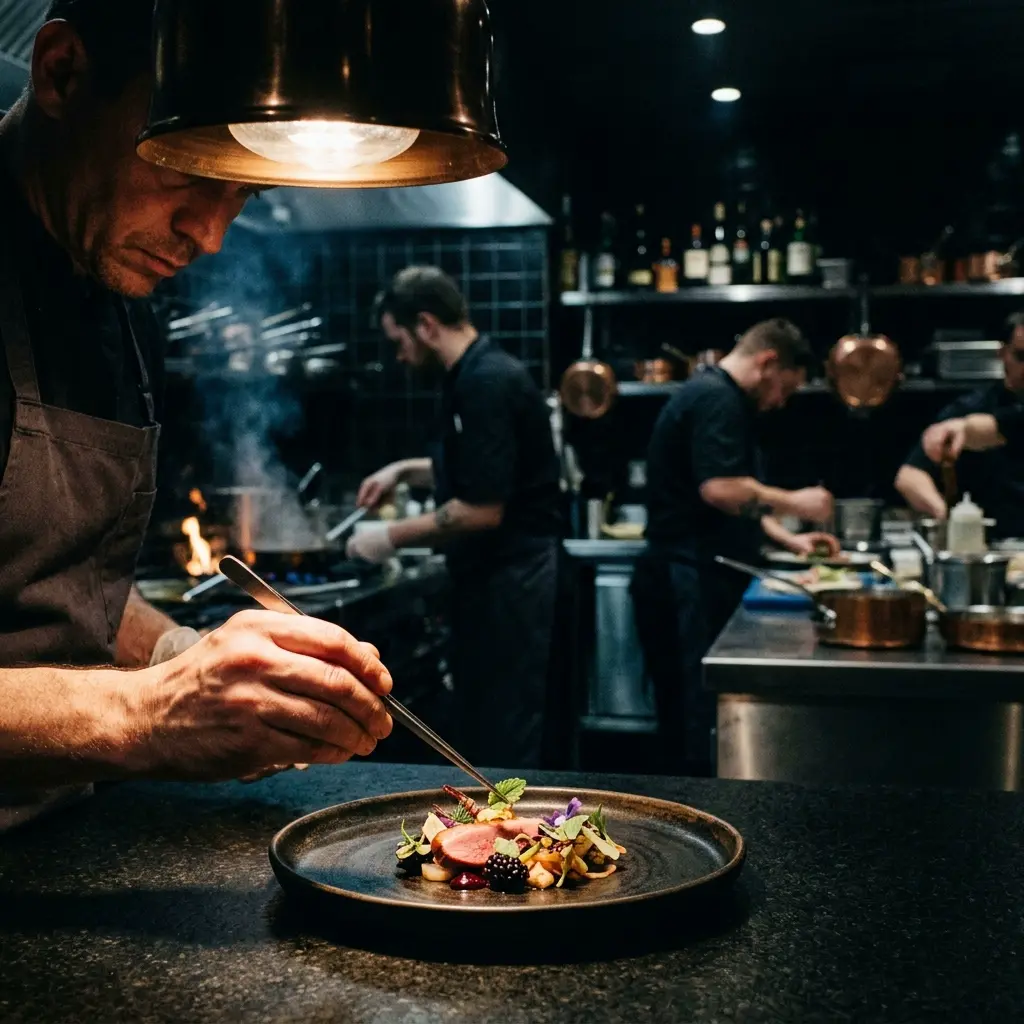
當名廚雷內·雷哲皮(René Redzepi)向員工為過去的行為致歉,並宣布將離開全球最負盛名的餐廳之一 Noma 時,這項消息登上了各大媒體頭條——但真的有人感到驚訝嗎?
When chef René Redzepi issued an apology to staff for past behavior and announced he was stepping away from Noma, one of the highest-rated restaurants in the world, the news made big headlines — but was anyone really surprised?
的確,雷哲皮擁有的精緻餐飲聲譽是業界最頂尖的,跌落神壇代價極大。作為丹麥採集革命背後的料理核心人物,他憑藉帶領食客探索來自森林與海岸的風味,並將其細緻地以鑷子點綴成精美菜餚而享譽國際。
Yes, Redzepi had one of the biggest fine-dining reputations to lose. As the culinary force behind the Danish foraging revolution, he had risen to global prominence turning diners onto a world of flavors harvested from forests and foreshores, then tweezered into delicate dishes.
但在這個推崇名廚那無拘無束的熱情與嚴苛標準的時代,當另一位業界領軍人物被爆出涉及毒性職場行為時——《紐約時報》的一份報導指控雷哲皮毆打員工、以廚具戳刺他們,並將他們推向牆壁——對許多人而言,這只不過是再次印證了他們對米其林星級廚房生活的刻板印象。
But in an era of superstar chefs celebrated for unbridled passion and exacting standards, the revelation that another among their ranks had been accused of toxic behavior — with a report by The New York Times alleging that Redzepi punched employees, jabbed them with kitchen implements and slammed them against walls — will, for many, simply reinforce preconceptions of life in a Michelin-starred kitchen.
然而,精緻餐飲業界的反應依然巨大。一些廚師與業內人士將此時此刻描述為潛在的轉折點——這是一場對數十年來在追求極致廚藝的過程中,模糊了紀律與傷害界線的文化,遲來已久的清算。
Yet the reaction from the fine-dining world has been significant. Some chefs and industry figures described the moment as a potential turning point — a long-overdue reckoning with a culture that has, for decades, blurred the line between discipline and harm in pursuit of culinary greatness.
有些人已預測業界將迎來動盪時期,因為矛頭開始指向其他聲譽有爭議的名廚。而這可能會為一個正受物價上漲侵蝕利潤、流失顧客而苦苦支撐的產業帶來更深遠的衝擊。
Some are already predicting an unsettling time in the industry as fingers point at other chefs with questionable reputations. And that could have further repercussions for an industry already stretched as rising prices eat away at profit margins and scare away customers.
「這對我們的產業來說可以說是一個分水嶺時刻,因為我們所有人都在實時地反思這件事,」曾獲詹姆斯比爾德獎(James Beard Award)提名、同時也是播客節目《主廚切面》(The Chef’s Cut)主持人的廚師艾德里安·奇塔姆(Adrienne Cheatham)在最近的一集中說道。這類行為長期以來「有點像被掃到了地毯下面(被掩蓋)」。
“This is kind of a watershed moment for our industry, because we’re all thinking through this in real time,” Adrienne Cheatham, a James Beard Award-nominated chef and co-host of “The Chef’s Cut” podcast said during a recent episode. Such behavior had been “kind of swept under the rug for so long.”
「這促使我們許多人回顧過去的經歷、曾為其工作的雇主,以及過往的行為。這也很可能會讓某些人檢視自己的行為,心想:『糟糕,下一個輪到我被清算了嗎?』」
“This is causing a lot of us to look back at stuff that we went through, people that we worked for, past behaviors. And it’s also probably going to cause some people to examine the way they behave and say, ‘Oh sh**, is somebody going to come for me next?’”
「沈默無法帶領我們走向任何地方」‘Silence doesn’t get us anywhere’
儘管並非業界所有人都有此共識,但有報導指出,廚師與餐廳經營者正日益擔心類似的爆料出現,坊間甚至傳出有餐廳現在已開始超前部署,篩選員工是否存在行為上的潛在風險因子。
While not everyone in the industry is convinced, there have been reports of chefs and restaurant owners becoming increasingly concerned about similar narratives coming out and anecdotal tales of restaurants now pre-emptively screening workers for behavioral red flags.
無論後果如何,非營利款待與餐飲業倡導組織「Not 9 to 5」的共同創辦人哈賽爾·阿維萊斯(Hassel Aviles)認為,分享這些故事至關重要。
Whatever the consequences, Hassel Aviles, co-founder of the nonprofit hospitality and food industry advocacy group Not 9 to 5, feels it’s important that these stories are shared.
「我認為如果你感到害怕,這本身就說明了很多問題,」曾在款待業工作約二十年的阿維萊斯說道。「我們為什麼不希望人們站出來分享他們在這個行業工作的親身經歷呢?問題在於,沈默無法帶給我們任何改變。這正是這種狀況持續如此之久的原因。」
“I think if you’re scared, that says a lot,” says Aviles, who previously spent around two decades working in the hospitality industry. “Why wouldn’t we want people to come forward and share stories of their lived experience working in this industry? The problem is, silence doesn’t get us anywhere. That’s why it’s been this way for so long.”
在雷哲皮之前,其他名廚也曾因打造敵對的廚房環境而受到指責,這不時引發改革呼聲,偶爾也會帶來後果。
Before Redzepi, others have also been called out for creating hostile kitchens, prompting periodic calls for reform and, occasionally, consequences.
2015 年,法國主廚雅尼克·阿萊諾(Yannick Alléno)否認了有關他在巴黎勒杜瓦楊(Pavillon Ledoyen)對員工進行肢體虐待與霸凌的指控。史上最年輕獲得米其林星級的主廚之一湯姆·基欽(Tom Kitchin),在 2021 年因「無法接受的行為」指控,將其愛丁堡餐廳的兩名員工停職。此舉促使英國主要廚師工會 Unichef 呼籲米其林考慮撤銷曾發生虐待行為餐廳的星級。
In 2015, French chef Yannick Alléno denied allegations of physically abusing and bullying staff at Pavillon Ledoyen in Paris. Tom Kitchin, one of the youngest chefs ever to be awarded a Michelin star, suspended two members of staff from his Edinburgh restaurants in 2021 following allegations of “unacceptable behavior.” The action prompted the leading United Kingdom chefs’ union, Unichef, to call on Michelin to consider rescinding stars awarded to restaurants where abuse occurred.
「如同奔赴戰場」‘Going to war’
但允許此類行為持續存在的制度往往被忽視了。大眾普遍默認米其林星級廚房是透過極端高壓來製作非凡食物的地方,在這裡,受苦受難常常被等同於對料理的奉獻。
But the system that allows such behavior to persist tends to go unexamined. There’s an acceptance that Michelin-starred kitchens are places that produce extraordinary food through extraordinary pressure, where suffering is often equated with culinary dedication.
一項 2022 年針對米其林星級主廚的研究發現,霸凌與肢體虐待常被常態化,視為職業發展的一環。那些倖存下來的人通常將這些經歷視為榮譽勳章。
A 2022 study of Michelin-star chefs found that bullying and physical abuse were often normalized as part of professional development. Those who survived often wore their experiences as a badge of honor.
「那些拒絕受苦的廚師,很難宣稱自己是料理界社群真正意義上的一員,」該研究的合著者、前英國卡迪夫大學商學院管理與組織行為學講師羅賓·布洛(Robin Burrow)表示。「他們並非真正合格的廚師。」
“Chefs who neglected to suffer had little claim to membership of the culinary community, in the truest sense,” said Robin Burrow, a former lecturer in management and organizational behavior at the UK’s Cardiff Business School, who co-authored the study. “They were not true and proper chefs.”
在其中一個案例中,一位廚師描述了犯錯後「被把食物扔在臉上」的經歷,並補充說他在開始輪班前會經歷嘔吐和腹瀉,因為「身體預設這即將奔赴戰場。」
In one case, a chef described getting “food thrown in your face” after making mistakes, adding that he would experience vomiting and diarrhea before starting a shift, as “the body assumes that it’s going to war.”
「在我們的研究中,令我們驚訝的是,在霸凌、暴力與侵略文化的背景下,廚師的工作場所之地位具有多大的影響力,」布洛補充道。
“What surprised us in our study was the importance of where chefs worked in the context of cultures of bullying, violence and aggression,” added Burrow.
許多廚房的結構強化了這種思維。這種模式以 19 世紀末由奧古斯特·艾斯科菲(Auguste Escoffier)發展的經典廚房階級制度(brigade de cuisine,即廚房分工制度)為藍本,創造了一種權力不平等,可能使得主廚可以在免受後果的情況下虐待他們的員工。
The structure of many of these kitchens reinforces that mindset. Modeled on the rigid hierarchy of the classic brigade de cuisine, or kitchen brigade system developed by Auguste Escoffier in the late 19th century, it creates a power imbalance that could allow chefs to mistreat their staff without consequence.
「廚房分工制度背後的理念是將效率置於一切之上,」阿維萊斯說道。「其本意是讓人們各司其職。維持廚房的秩序,但它卻被以如此危險的方式所利用……其實還有其他方式可以組織專業廚房。」
“The idea behind the brigade system is to prioritize efficiency above all else,” says Aviles. “The idea was to keep people in their places. To keep order in the kitchen, and it’s just been used in such a dangerous way … There’s other ways to organize professional kitchens.”
一些廚師堅持認為,在嚴苛甚至殘酷的條件下工作是一種選擇——是追求卓越過程中必經的一步。
Some chefs insist that working under demanding, even harsh, conditions is a choice — a necessary step in pursuing excellence.
這是 Noma 指控風波後再次浮出水面的論點。
It’s an argument that surfaced again in the wake of the Noma allegations.
「無庸置疑,這在精神與生理上都極具挑戰,」獲獎主廚阿里·迪伊·達利(Ali Dey Daly)在 Instagram 上撰文描述其早年的廚房經驗。「但那也是我自己的選擇,選擇留在那裡、學習、成長,並成為追求卓越的高績效團隊的一員。」
“It was mentally and physically challenging, without question,” award-winning chef Ali Dey Daly wrote on Instagram, describing his formative kitchen experiences. “But it was also my choice to be there, to learn, to grow, and to be part of high-performing teams striving for excellence.”
他補充說,這些經驗「對造就今天的我以及我的專業成就貢獻良多」,並主張「最高層次的卓越很少誕生於舒適圈」,而是透過「紀律、犧牲以及極少數人願意忍受的標準」而來。
He added that such experiences “contributed greatly to the professional and the person I am today,” arguing that “the highest levels of excellence are rarely born from comfort” but through “discipline, sacrifice and standards that few are willing to endure.”
達利承認,有些針對毒性行為的投訴是正當的,但這不一定意味著整個制度已經崩壞。「這些聲音理應得到嚴肅且人道的傾聽,」他補充道。「但在拆毀那些為提升整個行業付出了巨大努力的人們之前,我們也應該保持審慎。」
Daly acknowledged that some complaints of toxic behavior were valid but did not necessarily indicate a broken system. “Those voices deserve to be heard with seriousness and humanity,” he added. “But we should also be careful before tearing down those who have given so much to elevate an entire profession.”
脾氣暴躁、要求嚴苛的廚師形象在流行文化中也得到了強化,甚至有時是被歌頌的。
The image of the volatile, exacting chef has also been reinforced — and, at times, celebrated — in popular culture.
「被燃燒的廚師計畫」(The Burnt Chef Project)創辦人克里斯·霍爾(Kris Hall)指出了這一點,該非營利組織關注餐飲業從業人員的心理健康,他提到了《地獄廚房》等節目中「高登·拉姆齊(Gordon Ramsay)的誇張化形象」。
Kris Hall, founder of The Burnt Chef Project, a nonprofit focused on mental health in the hospitality industry, points to the “caricature of Gordon Ramsay” in shows like “Hell’s Kitchen.”
「廚房被描繪成以某種貶低性、侵略性方式運作的這種戲劇化手法,似乎已經變得幾乎是一種可被接受的方式,」他說。數以百萬計的觀眾在觀看這些娛樂節目時對這種行為報以笑聲,他補充道。「他們會定期收看。然而現實是,這正發生在真實生活中。」
“That dramatization of how a kitchen is supposedly run in sort of a degrading, aggressive manner does seem to have become almost an accepted way,” he says. Millions of viewers have laughed along at this behavior while watching these shows for entertainment, he adds. “They’ll tune in regularly for it. Yet the reality is that it is happening in real life.”
霍爾表示,這究竟是因為個人「試圖模仿那種行為」,還是因為缺乏理解如何「運作一個尊重從業人員的高效、多產廚房」,是一個長期存在的爭論。「但我絕對不認為這(種節目)會有所幫助,」他補充道。
Hall says the question of whether this is due to individuals “trying to emulate that behavior” or a lack of understanding of how to “run an effective, productive kitchen that values the individuals that work in it,” is a longstanding debate. “But I definitely don’t think it helps,” he adds.
近期,喜劇影集《大熊餐廳》(The Bear)描繪廚房生活的方式,讓業內一些人感到一種不適的真實感。
More recently, the comedy-drama “The Bear,” has depicted kitchen life in ways that some in the industry find uncomfortably accurate.
「我幾乎無法看完《大熊餐廳》,」畢業於國際廚藝中心的珍娜薇·任(Genevieve Yam)在為《Bon Appetit》撰寫的文章中寫道。「不是因為我覺得那是部爛戲——而是因為它是我這段時間以來見過對餐廳廚房生活最精確的描繪。它是如此真實,以致於引發了我的創傷反應。」
“I could barely get through ‘The Bear,’” Genevieve Yam, who graduated from International Culinary Center, wrote in an article for Bon Appetit. “Not because I thought it was bad television — but because it was the most accurate portrayal of life in a restaurant kitchen I’ve seen in a while. It was so accurate that it was triggering.”
有跡象顯示該產業正發生轉變,特別是當越來越多廚房工作人員對他們經歷或目睹的行為表達關切時。
There are signs that the industry is shifting, particularly as more kitchen workers voice concerns over behavior they’ve experienced or witnessed.
「有許多曾在那樣的環境中遭受心理或生理傷害的人正站出來,」《被燃燒的廚師計畫》的霍爾說。
“There’s a lot of people coming out who have experienced either psychological or physical harm within those environments,” The Burnt Chef Project’s Hall says.
「這在某些情況下已成為文化常態或被接受。但透過我們過去七年所做的工作,我們確實開始看到一種轉變,顯示人們正在意識到這些環境是無法永續的。這不利於健康與福祉,也無益於經營組織的獲利能力與商業層面。」
“Which, in some cases, has become culturally the norm or accepted. But through the work that we’ve done over the last seven years, we’re certainly starting to see a change that is showing that people are recognizing that these environments are unsustainable. They are not conducive to health and to wellbeing, and also the profitability and the commercial aspects of running an organization.”
對霍爾而言,以「建立在恐懼與逆境教育文化的運作模式」的工作環境是完全無法接受的,「特別是當它們對該領域內的從業人員產生如此深遠的影響時。」
For Hall, working environments that “run on a fear and a school-of-hard knocks culture” are simply unacceptable, “especially when they’re having such a profound impact on human beings within the sector.”
他指出,在米其林星級的水準下,「微小的錯誤都可能造成天壤之別」,而那些「將生命、動力與熱情置於一切之上」的人,很可能也會對其團隊抱持同樣的期許。
He notes that at Michelin star level, the “smallest mistake can make the biggest difference” and those who’ve “put their life, drive and passion ahead of everything else” will likely expect the same of their teams.
「我認為結果就是,經營這些環境的人忽視了他們正在與需要被尊重的人類一起工作,而虐待本不應被容忍……」霍爾補充道,隨後他也強調,這些情況屬於「越來越零星的個案」。
“I think as a result of that, people who are running these environments lose sight of the fact that they’re working with human beings that require respect and where abuse shouldn’t be tolerated…” Hall adds, before stressing that these are in “increasingly isolated cases.”
「事實上,雖然這確實發生在某些組織與個人身上,但我們實際觀察到的是,這並非大多數,而是少數,而且款待業內的文化正在迅速轉變。」
“In reality, whilst that is the case for some organizations and some individuals, what we’ve actually seen is that it’s not the majority, it’s the minority, and it is a rapidly changing culture within hospitality.”
其他人也呼應了這種進步感。「我認為那些日子已經過去了,而且本該如此,」英國主廚賽門·羅根(Simon Rogan)在 2023 年的一次訪談中提到廚房虐待行為常態化時說道。「電影和戲劇具有娛樂性,但它們並不能真實反映當今產業的現況。」
Others echo that sense of progress. “I think those days are gone, and rightfully so,” English chef Simon Rogan said in a 2023 interview, referring to the normalization of abusive behavior in kitchens. “The movies and dramas are entertaining, but they aren’t a true picture of what’s going on in the industry these days.”
與此同時,精緻餐飲的潛在壓力依然存在。米其林星級、全球排名,以及高端餐廳日益殘酷的經濟現狀,持續地在極高強度下獎勵著精確度、掌控力與一致性。
At the same time, the underlying pressures of fine dining remain intact. Michelin stars, global rankings and the increasingly brutal economics of high-end restaurants continue to reward precision, control and consistency at an intense level.
然而,市場力量也是雙向的。正如霍爾所指出的,自全球疫情大流行以來,款待業一直經歷著招募與經濟雙重危機,出現了「人員大規模出走,轉而尋找其他工作機會」的現象。
Market forces work both ways, though. As Hall points out, the hospitality sector has been experiencing both a recruitment and economic crisis since the global pandemic, with a “mass exodus of individuals leaving the sector looking for other working opportunities.”
「我認為經營者現在開始意識到,儘管他們投入了時間、心力與金錢,為食客打造最令人難忘的體驗,卻在無意間忽略了他們的團隊,」他說。「而實際上,真正需要投入時間去投資的,正是團隊本身。」
“I think operators are starting to realize now that whilst they’ve put their time, effort and money into creating the most memorable experiences for diners, they’ve inadvertently left their teams behind,” he says. “And it’s actually the teams who need that investment in time.”
阿維萊斯近年來也注意到了一些重大的變化,並指出社群媒體是關鍵影響因素之一。
Aviles has also noticed some significant changes in recent years, pointing to social media as one of the key influences.
「我認為我們正朝著正確的方向前進,這給了我希望,」她告訴 CNN。「我認為年輕世代對於忍受我曾經歷過的事情,容忍度低得多。」
“I think we’re heading in the right direction, which is what gives me hope,” she told CNN. “I think younger generations are way more intolerant of putting up with what I had to deal with.”
然而,她覺得目前的焦點過於集中在短期解決方案上。「如果我們真的想在這個行業取得進步,我認為我們需要減少對個人的關注,並真正開始將這視為整個產業層面的問題,」她補充道。
However, she feels that there is too much focus on short-term solutions. “If we really want to progress in this industry, I think we need to focus less on individuals and really start looking at this as an industry-wide problem,” she adds.
「真正開始重新審視廚房分工制度的影響力……真正與產業組織對話……這涉及了許多不同的層面。而不只是針對某一家餐廳或某一位廚師。這些故事無處不在。」
“Really start re-examining the brigade system influence … Really talk to trade organizations … It’s on so many different levels. It’s not just on one restaurant and one chef. These stories exist everywhere.”
目前還不清楚 Noma 的下一步會走向何方——據報導,在針對雷哲皮的指控爆出後,贊助商美國運通(American Express)和款待公司 Blackbird 已切斷與 Noma 洛杉磯快閃店的合作關係。該餐廳發言人早前告訴 CNN,餐廳在過去幾年裡「已經做出了有意義的改變,以轉型我們的文化與職場」。CNN 已聯繫雷哲皮尋求置評。
It’s unclear what’s next for Noma — sponsors American Express and hospitality company Blackbird reportedly cut ties with Noma’s Los Angeles pop-up following the allegations against Redzepi. A spokesperson for the restaurant earlier told CNN that it had “made meaningful changes to transform our culture and workplace over the last several years.” CNN has reached out to Redzepi for comment.
雷哲皮退居幕後的決定已被某些人引用為進步的證據。
Redzepi’s decision to step back has been cited by some as evidence of progress.
「我認為雷內的情況是我們第一次真正看到有人承認過去的作為,並基於此採取行動,」霍爾說。
“I think René’s is the first time where we’ve actually seen someone admit and take action based on their previous actions,” Hall says.
雖然霍爾也承認「你不需要挖掘太深就能發現舊派文化依然潛伏著」,但他對未來仍持樂觀態度。
And while Hall accepts that “you wouldn’t have to dig too hard to find the old-school culture lurking,” he remains optimistic about the future.
「我認為整個產業正在改變,人們開始學習成為更好的領導者,並以應有的尊嚴與尊重對待他人,」他說。
“I think that the industry as a whole is changing, and that people are starting to be better leaders and treat people with the dignity and respect that they deserve,” he says.
對阿維萊斯而言,這不僅需要產業本身的行動,還需要所有接觸精緻餐飲世界的人共同參與。
For Aviles, it will take action not only from the industry itself, but everyone who comes into contact with the world of fine dining.
「我深信我們所有人在演變至今日局面的過程中,都是共犯,」阿維萊斯說。「包括我自己。有很多次我對所見所聞的許多事情保持了沈默。我認為連食客也扮演了某種角色。你用錢包投下贊成票,我認為提出疑問非常重要。」
“I really believe we’re all complicit in how we got here,” says Aviles. “Including myself. There were a lot of times I stayed silent about a lot of things that I saw and experienced. And I think that even diners play a role. You vote with your wallet, and I think it’s important to ask questions.”
但問責的問題依然懸而未決。單憑一份道歉,並無法解決當初容忍此類行為發生的環境,亦無法處理那些可能允許其在別處死灰復燃的結構性問題。
But questions of accountability remain. An apology by itself does not address the circumstances that allowed the behavior to occur or the structures that may allow it to continue elsewhere.
「摧毀事物只需數分鐘,」雷哲皮在退場演說中對員工說道。「但要重建卻需要一輩子的時間。請,務必、務必、務必、務必,去奮鬥。投入其中。」
“You can break things in minutes,” Redzepi told staff during his exit speech. “And to build it up again can take forever. Please, please, please, please, fight. Be in this.”
業界這波最新的清算是否真能帶來改變,關鍵可能並不在於個別廚師,而在於持續獎勵他們的體制。
Whether the industry’s latest reckoning leads to change may depend less on individual chefs than on the systems that continue to reward them.