曬傷後的大驚喜!科學家如何從 DNA 損害中汲取靈感,打造革命性熱能儲存技術
How sunburn inspired a new way to store energy
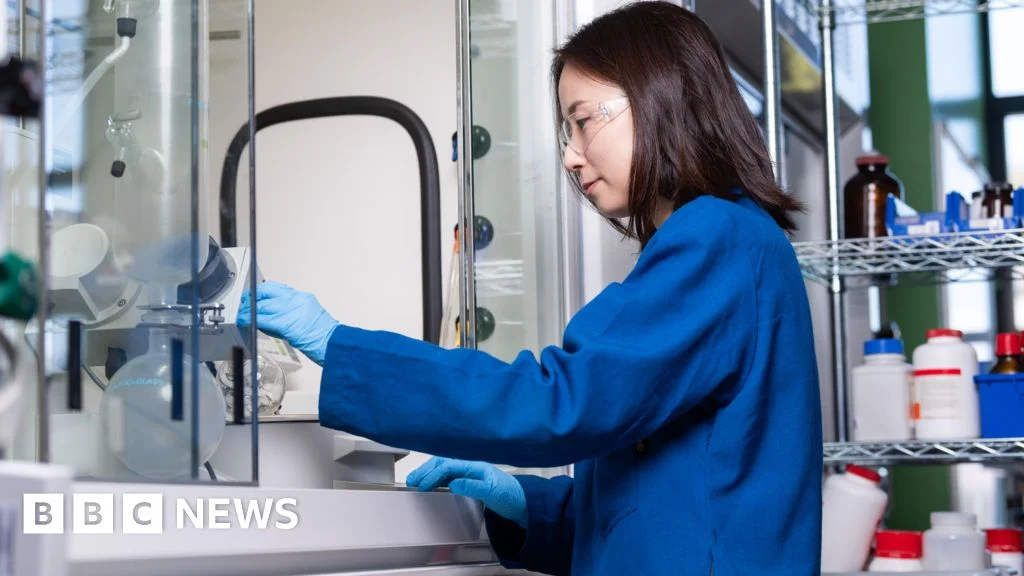
陽光偶爾也會眷顧波士頓——但絕非像這樣烈日灼人。多年前,當化學教授格雷絲·韓(Grace Han)第一次從波士頓造訪南加州時,她敏銳察覺到了差異。僅僅在戶外待了幾個小時,她的皮膚就開始因最初的曬傷徵兆而感到隱隱刺痛。
The sun does shine, sometimes, in Boston – but not like this. When chemistry professor Grace Han first visited southern California from Boston some years ago, she noticed the difference. How her skin would tingle with the first signs of irritation after just a few hours outside.
去年,她遷居至加州大學聖塔芭芭拉分校(UC Santa Barbara)就職,並開始規律地配戴大寬簷帽、墨鏡,塗抹大量的防曬乳。身為一位化學教授,她早已對此事做足了研究功課。她憶道:「當時我只是純粹在休閒時閱讀關於 DNA 光化學(DNA photochemistry)的資料。」
Last year, she moved to take a job at the University of California, Santa Barbara, and regularly began wearing a large-brimmed hat, sunglasses and plenty of sun cream. Being a chemistry professor, she had already done her research. "I was just reading about DNA photochemistry – for leisure," she recalls.
就在那一刻,她靈光乍現:人類皮膚中那些因曬傷而受損的 DNA 分子,或許正是她苦苦尋找的解方!那些分子在遭受太陽光輻照時會發生形變,從原本的常態扭曲緊繃成一種充滿張力的新型態。
That's when she realised that DNA molecules in people's skin that get damaged by sunburn could help her. Those molecules change shape when irradiated by the sun, flexing into a strained version of their regular form.
數十年來,科學家們一直在苦苦尋找一種能透過「扭轉形狀」將能量鎖住,並能在接收到特定提示後瞬間變回原形、依需求精準釋放儲存能量的理想分子。這運作原理有點像拉開緊繃發條的捕鼠夾。這套學問被稱為「分子太陽熱能儲存技術」(Molecular Solar Thermal energy storage,簡稱 Most),是一種極具潛力的廉價、零碳排供熱手段。這類 Most 系統的卓越之處在於能將能量妥善儲存數個月、乃至數年之久。
For decades, scientists have sought out molecules that can twist their shape, storing energy in the process, and then be prompted to revert to their original shape, releasing the stored energy on demand. A bit like setting and later triggering a mousetrap. It's known as molecular solar thermal (Most) energy storage and is a potentially very cheap and emissions-free way of supplying heat. These Most systems could store energy for many months or even years.
過去研究人員在此項技術上的突破極為有限。但感謝這南加州的烈陽恩賜,韓教授知道下一步該從何處著手嘗試了。激活這類「變形儲能分子」的關鍵在於,過程必須滑順流暢且具備極高的可重複利用率。幸運的是,大自然經過數百萬年的演化洗禮,早已在特定動植物體內將這套工序打磨得完美無瑕。
Researchers have previously had limited success with the technology, but, thanks to the California sun, Han knew what to try next. It's important to activate the shape-shifting of the energy-storing molecules in a smooth, repeatable way. Luckily, millions of years of evolution has perfected this process when it occurs in certain plants and animals.
從某種層面看,世間所有的生命體皆是一間精密的化學實驗室。部分生物體早已演化出一套能在「光修復酶」(photolyase)的輔助下,自動修復被陽光扭曲的分子的生存機制。韓教授意識到,這些分子簡直是能量儲存系統的完美候選人。「它們極其微小,」她解釋:「而且能夠在極輕的單位質量中,壓縮進去極其巨大的能量。」
Living things are all chemistry labs, in a sense, and some organisms have evolved so that they can repair sun-contorted molecules with the help of an enzyme called photolyase. Han realised that such molecules were therefore perfect candidates for an energy storage system. "They are very, very small," she explains. "And can store a massive amount of energy per mass."
在今年二月發表的一篇極具指標性的論文中,她與同僚發表了迄今為止,在「能量密度」表現上最令人振奮的一套同類型儲能系統。其爆發的能量驚人,強大到足以在一個小試管玻璃瓶中形成一個微型加熱爐,能在極短時間內瞬間將少量水分快速煮沸噴散。韓教授回憶,親手執行實驗的學生們第一時間衝過來向她回報時,她親眼在錄影畫面中看到整支試管內的溶液沸騰得有多麼迅猛,內心無比震撼。
In a paper published in February, she and colleagues described the most promising energy storage system of this kind to date, at least in terms of its energy density. It was powerful enough to cause a "very tiny kettle" in a vial to boil off a small amount of water rapidly, says Han. When her students rushed to tell her how it went, "When I actually saw the video and saw how quickly the entire solution was boiling, that was really remarkable," Han recalls.
論文中記錄的每公斤 1.65 兆焦耳(megajoules per kilogram)的實測數據,已經顯著超越了現今廣泛應用於手機與電動車中的主流鋰離子電池的能量密度。雖然這套由韓教授團隊開發的 Most 系統目前仍有些許局限性——例如誘發分子變形所需的是特定的 300 奈米極強紫外光,且釋放能量的觸媒依然需要使用到鹽酸——但這無疑已開啟了能源科技的全新賽道。
The 1.65 megajoules per kilogram recorded in their February paper is significantly greater than the energy density of lithium-ion batteries, currently the most popular type of battery for phones and electric cars. The system does have some limitations, like requiring deep UV light to store energy and using acid to trigger release, but represents a massive step forward.
韓教授樂觀預估,未來有望改善系統對天然光線的反應敏感度,並尋找到無需劇毒化學試劑就能觸發放能的工法。這項尖端研究的終極聖杯,是要為「供熱系統脫碳化」盡一份心力,畢竟這在全球減排計畫中始終是一個出了名難啃的硬骨頭。
She says she is hopeful that it will be possible to improve the system's responsiveness to natural light, and also to trigger the energy release without requiring a toxic chemical. The ultimate goal of work like this is to decarbonise heating, which is notoriously difficult.
當前全球依然高度仰賴化石燃料來提供熱能。然而 Most 技術「運作時無需燃燒任何一丁點物質」。此外,相比於地理分佈高度集中的石油氣,Most 可以部署於地球上的任何角落,不會面臨霍爾木茲海峽封鎖等潛在的能源安全困局。更別提這種系統可以將能量穩定存放數十年,打破傳統熱能僅能維持幾天或幾個月的物理魔咒。
The world still relies largely on fossil fuels for heating. But the Most technology "operates without burning anything". Plus, Most could be made available anywhere on Earth, not concentrated in locations like fossil fuels. Moth-Poulsen says that a Most energy storage system could also store energy long-term, even for multiple decades.
未來的商業落地場景也極富想像空間。韓教授指出,固態化後的 Most 技術可以被製造成高透光的透明窗戶鍍膜。如此一來,玻璃本身就能根據天候主動釋放熱能,除了能杜絕結露起霧,還能實實在在地為寒冬中的整間屋宇加溫。「這真的是一門極其精湛科學,」德國杜伊斯堡-埃森大學科學主任 Harry Hoster 讚賞道:「他們成功把這個看似科幻的分子機能在現實中完美解鎖了,真的是美妙絕倫。」
Researching solid iterations of Most, says these could take the form of transparent window coatings, for example. That way, they could release heat to prevent condensation or even to warm up rooms. "It's great science," Hoster adds. "It's beautiful that they managed to get this functionality right."